October 2020
Authors: Gared Shaffer, David Karki, Anthony Bly, Ruth Beck, Sara Bauder, Paul O. Johnson- SDSU Extension
Source: SDSU Extension
Midwest Cover Crops Council (MCCC-135)
This publication is intended to provide a starting point for farmers who are new to growing cover crops. With experience, farmers may fine-tune the use of cover crops for their systems.
The following recipe provides an introductory approach to integrating a cover crop into a wheat-based rotation with soybean or corn. Planting a cover crop blend that predominantly consists of cool-season species and is winter-killed adds diversity and provides soil armor through summer and spring. However, in some situations added ground cover in the spring in combination with excess soil moisture could be a problem unless winter cereals (winter rye, wheat, or triticale) are included in the mix.
Cover Crop Selector Tool—available from the Midwest Cover Crops Council, www.midwestcovercrops.org
Cover Crop Species Selection for Grazing (USDA-NRCS publication SD-FS-56)
Herbicide Residual Effects on Cover Crops after Wheat (South Dakota State University Extension)
Cover Crop: Common Species and Properties of South Dakota (USDA-NRCS)
Grazing Cover Crop Calculation App (Jotform app)
David Karki, South Dakota State University Extension (Note: This publication was adapted with consent from MCCC under a joint project to produce customized introductory guidance about cover crops for all member states/provinces.)
Eric Barsness, USDA-NRCS; Anthony Bly, South Dakota State University Extension; Eileen Kladivko, Purdue University; Anna Morrow, Midwest Cover Crops Council
The Midwest Cover Crops Council (www.midwestcovercrops.org) aims to facilitate widespread adoption of cover crops throughout the Midwest by providing educational/outreach resources and programs, conducting new research, and communicating about cover crops to the public.
Funding for this project was provided by McKnight Foundation.
December 2022
The U.S. Department of Agriculture (USDA) prohibits discrimination in all its programs and activities on the basis of race, color, national origin, age, disability, and where applicable, sex, marital status, familial status, parental status, religion, sexual orientation, genetic information, political beliefs, reprisal, or because all or a part of an individual’s income is derived from any public assistance program. (Not all prohibited bases apply to all programs.) Persons with disabilities who require alternative means for communication of program information (Braille, large print, audiotape, etc.) should contact USDA’s TARGET Center at (202) 720-2600 (voice and TDD). To file a complaint of discrimination write to USDA, Director, Office of Civil Rights, 1400 Independence Avenue, S.W., Washington, D.C. 20250-9410 or call (800) 795-3272 (voice) or (202) 720-6382 (TDD). USDA is an equal opportunity provider and employer. ©2022 by MCCC. All rights reserved.
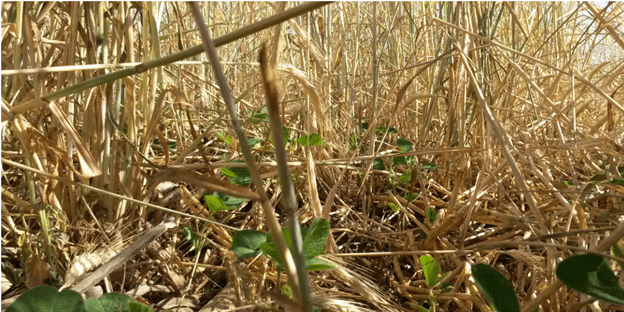
MCCC-134
This publication is intended to provide a starting point for farmers who are new to growing cover crops. With experience, farmers may fine-tune the use of cover crops for their systems.
With much attention focused on soil health and crop diversity, interest in cover crops has increased greatly in recent times. Generally, following small grains (after harvest or early season hay crop), a wide range of cover crop species can be selected due to an ample seasonal window for establishment and growth. However, for the row-crop growers who practice a strict corn-soybean rotation, the species selection is limited. Winter rye (cereal rye, Secale cereale L.) has been a go-to cover crop choice among many row-crop growers in the Midwest, including in South Dakota. Some producers have also used winter wheat and/or winter triticale as a cover crop. One of the most important attributes that winter rye possesses over other winter cereals such as winter wheat or triticale is its tolerance to extreme cold temperatures. Further, its rapid early spring growth and allelopathic characteristics, which allow it to suppress tough weeds, have also been favored by producers.
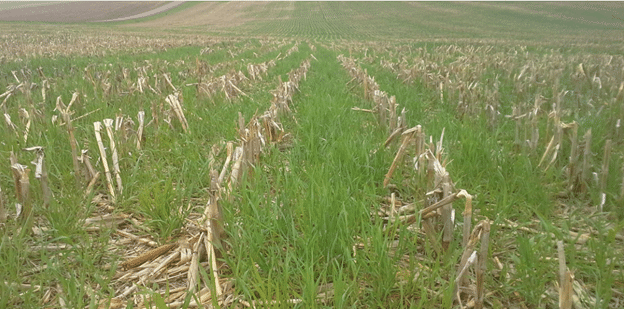
Cover Crop Selector Tool—available from the Midwest Cover Crops Council, www.midwestcovercrops.org
Thinking Cover Crops? Winter Rye Between Corn and Soybean (South Dakota State University Extension website)
Management Implications of a Rye Cover Crop on Nutrient Cycling and Soybean Production in Southeast South Dakota: Focus on Rye Seeding Rates and Termination Timing (South Dakota State University thesis)
NRCS Cover Crop Termination Guidelines: Non-Irrigated Cropland (USDA-NRCS)
David Karki, South Dakota State University Extension
(Note: This publication was adapted with consent from MCCC under a joint project to produce customized introductory guidance about cover crops for all member states/provinces.)
Eric Barsness, USDA-NRCS; Anthony Bly, South Dakota State University Extension; Eileen Kladivko, Purdue University; Anna Morrow, Midwest Cover Crops Council
The Midwest Cover Crops Council (www.midwestcovercrops.org) aims to facilitate widespread adoption of cover crops throughout the Midwest by providing educational/outreach resources and programs, conducting new research, and communicating about cover crops to the public.
Funding for this project was provided by McKnight Foundation.
December 2022
The U.S. Department of Agriculture (USDA) prohibits discrimination in all its programs and activities on the basis of race, color, national origin, age, disability, and where applicable, sex, marital status, familial status, parental status, religion, sexual orientation, genetic information, political beliefs, reprisal, or because all or a part of an individual’s income is derived from any public assistance program. (Not all prohibited bases apply to all programs.) Persons with disabilities who require alternative means for communication of program information (Braille, large print, audiotape, etc.) should contact USDA’s TARGET Center at (202) 720-2600 (voice and TDD). To file a complaint of discrimination write to USDA, Director, Office of Civil Rights, 1400 Independence Avenue, S.W., Washington, D.C. 20250-9410 or call (800) 795-3272 (voice) or (202) 720-6382 (TDD). USDA is an equal opportunity provider and employer. ©2022 by MCCC. All rights reserved.
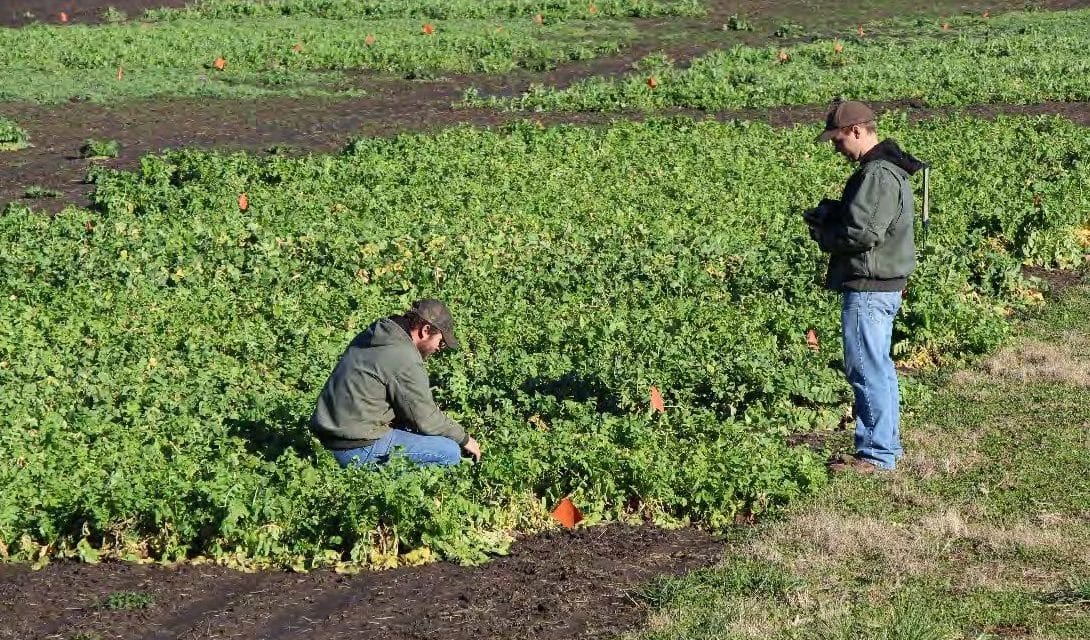
David Karki – South Dakota State University
February 2021
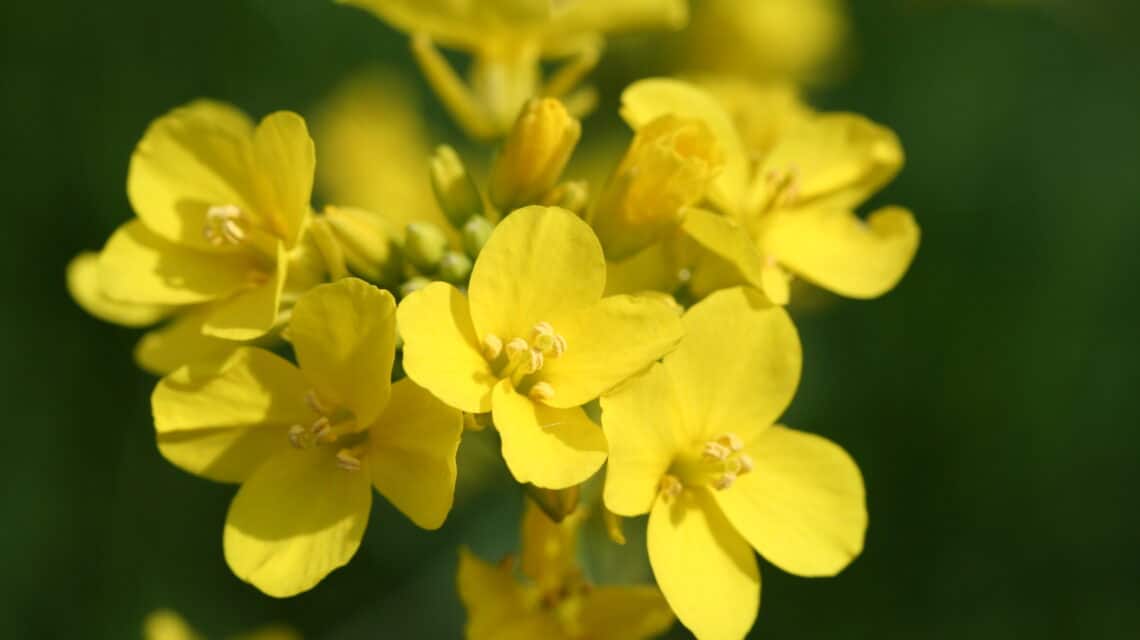
Eric Lee-Mader, Anne Stine, Jarrod Fowler, Jennifer Hopwood and Mace Vaughanby – Xerces Society for Invertebrate Conservation with contributions from the USDA Natural Resources Conservation Service
August 2017
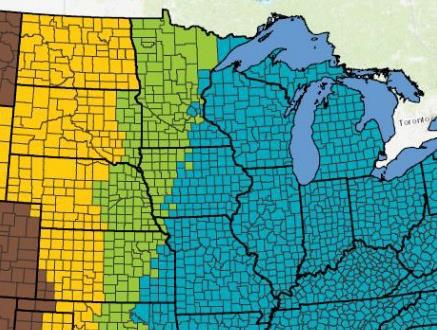
Collaboration of MCCC Board of Directors
May 2020
Cover Crop Termination Guidelines for Unfavorable Spring Weather Conditions
Graig Reicks – South Dakota State University
March 2020
Gared Shaffer – SDSU Extension Weeds Field Specialist
August 2019
Herbicide Rotation Restrictions
Source link here.